Whether you are a seasoned contractor finishing a site in North York or a DIYer tackling a basement cleanout in Mississauga, renting a roll-off bin is the most efficient way to manage waste. However, many people underestimate the physical demands and safety risks associated with loading a large steel container.
At Bin4U.ca, we don't just care about getting your waste to the transfer station; we care about your safety and the integrity of your property. Loading a dumpster isn't just about throwing things over the side; it requires a strategy to prevent back strain, crushed fingers, and site accidents.
This guide covers everything you need to know about roll-off dumpster safety GTA and provides essential bin loading tips North York residents can use to ensure their next project is injury-free.
1. Pre-Loading Preparation: Setting the Stage for Safety
Before the first piece of drywall or old furniture even touches the bin, you need to ensure the environment is safe. A poorly placed bin is a recipe for disaster.
Inspect the Site and the Bin
When your bin arrives, give it a quick walk-around. At Bin4U.ca, we maintain our inventory to the highest standards, but it is always good practice to check that the door hinges move freely and the locking mechanism is clear of debris.
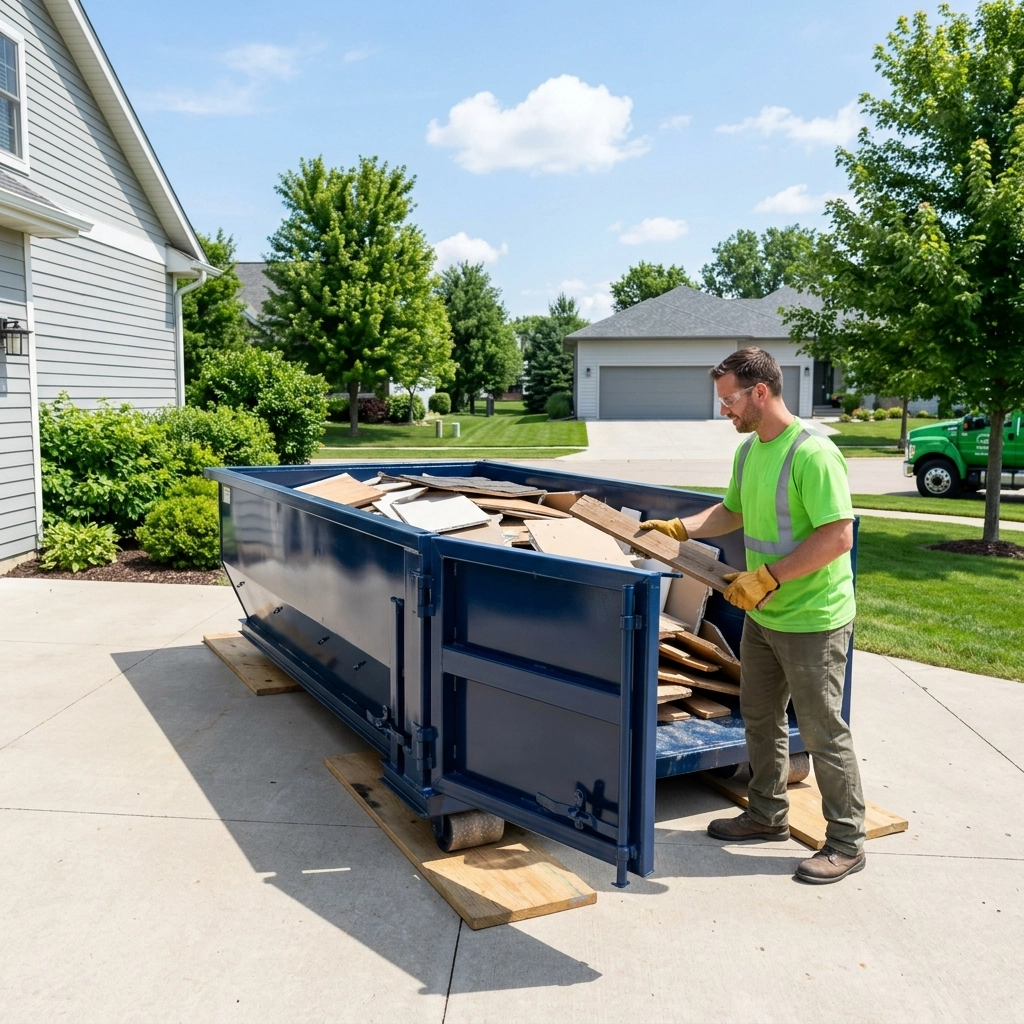
Ensure the bin is placed on a firm, level surface. If you are placing the bin on a driveway, we highly recommend using wooden planks to distribute the weight. This is part of our commitment to being driveway-safe dumpsters for GTA homeowners. Avoid soft ground or slopes, as a shifting bin can lead to serious injury during the loading process.
Clear a Safety Zone
Establish a "no-go" zone around the bin. This area should be free of tripping hazards like loose gravel, tools, or electrical cords. If you are working in a busy area like North York or Etobicoke, ensure that the bin placement doesn't obstruct pedestrian walkways or sightlines for drivers.
2. Dress for Success: Personal Protective Equipment (PPE)
You wouldn’t walk onto a construction site without boots, and you shouldn’t load a bin without the right gear. Even a simple residential cleanout involves sharp edges, heavy lifting, and dusty materials.
- Gloves: Thick, leather-palmed work gloves are essential. They protect against splinters, rusty nails, and sharp metal edges.
- Footwear: Never load a bin in sandals or running shoes. Steel-toed boots are best, but at the very least, wear sturdy, closed-toe shoes with good grip to prevent slips.
- Eye Protection: When tossing materials like plaster or glass, debris can easily fly back. Safety glasses are a small investment for your vision.
- High-Visibility Gear: If you are working near a road in the GTA, wearing a high-visibility vest ensures that motorists and our delivery drivers can see you clearly.
3. The Art of the Load: Weight Distribution
One of the most common mistakes is "mountain loading": piling everything in the centre and leaving the corners empty. Proper weight distribution is critical for both your safety and the safety of our drivers during pickup.
Heavy Items First
Start by placing your heaviest items at the bottom and towards the front of the bin (the end closest to the truck). This lowers the centre of gravity and ensures the bin stays stable. If you are dealing with heavy construction waste, you might want to read our guide on managing heavy construction debris.
Fill the Gaps
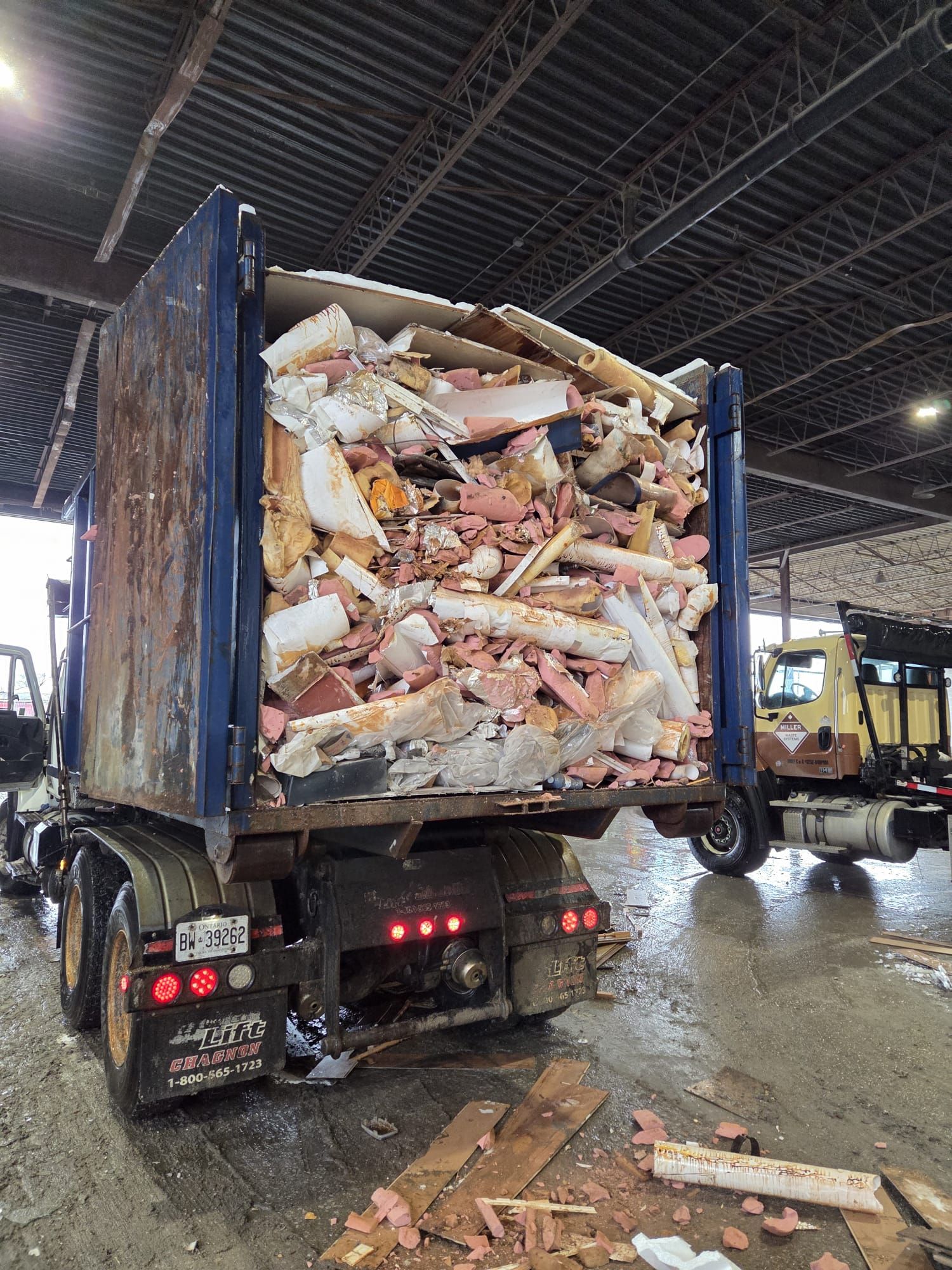
Once the heavy items are in, use smaller, lighter debris to fill the gaps. This prevents items from shifting during transport. A shifting load can cause the truck to become unstable on the highway, which is a major safety concern for everyone in the GTA.
Never Overfill
The most important rule of bin loading tips North York is the "fill line." Never load materials higher than the top edge of the bin. Overfilled bins are dangerous to transport because debris can fly out or fall onto the road. If you find you have more waste than expected, it’s much safer to order a second bin than to risk an overweight or overfilled load. Check our pricing page for options on larger sizes if you anticipate a massive haul.
4. Proper Lifting Techniques: Protecting Your Back
The most frequent injury related to bin rentals isn't a cut or a bruise: it's a back strain. Loading a bin involves repetitive lifting, often with awkward items.
Squat, Don't Bend
Always lift with your legs, not your back. Keep the object close to your body and maintain a neutral spine. If an item is too heavy to lift comfortably to your waist, do not attempt to throw it over the side of the bin.
Use the Walk-In Door
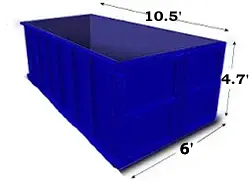
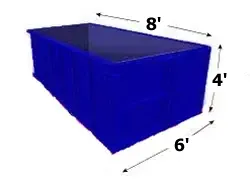
Most of our roll-off bins at Bin4U.ca feature a large rear door. Use it! Instead of lifting heavy items over the 4-foot or 6-foot side walls, open the door and walk the items inside. This significantly reduces the vertical lift required and keeps your spine safe.

Get a Helping Hand
If you’re tackling a North York estate cleanout, don't go it alone. Team-lifting heavy furniture or large appliances is the best way to prevent muscle tears. If an item feels too heavy, it probably is.
5. Safe Operation of the Bin Door
The rear door of a roll-off bin is heavy and held by high-tension latches.
- Stand to the Side: When unlatching the door, always stand to the side, never directly in front of it. Debris inside may have shifted during the project, putting pressure on the door. If you open the latch while standing in the swing path, the door could fly open and cause serious injury.
- Secure the Door: Once the door is open, use the provided chains or hooks to secure it to the side of the bin. A gust of wind can easily catch an unsecured door, swinging it shut unexpectedly.
- Watch Your Fingers: Bin hinges and latches are prime "pinch points." Always keep your hands clear of the hinges when closing the door.
6. Keeping the Site Secure: Kids and Pets
A roll-off bin can look like a giant playground to a child or a curious pet. However, the inside of a bin is full of hazards.
- No Entry: Never allow children or pets inside the bin. There could be sharp nails, broken glass, or unstable piles of debris.
- Cover the Bin: If you are leaving the bin overnight in a residential North York neighbourhood, consider throwing a tarp over the top. This discourages local wildlife (and sometimes adventurous kids) from climbing in.
- Supervision: Always keep an eye on the bin while you are working. It only takes a second for a curious toddler to wander into the "safety zone" you established.
7. Knowing What Not to Load
Safety also means environmental safety. Some items are hazardous to handle and can even cause fires inside the bin or the transport truck.
Do not load:
- Propane tanks or pressurized cylinders
- Wet paint, oils, or chemicals
- Car batteries
- Asbestos-containing materials
Loading these items doesn't just put you at risk; it creates a massive hazard for our team and the staff at the recycling facility. For a full list of what is and isn't allowed, visit our about us page or check the local 2026 Blue Box rules.
8. GTA Weather Considerations
Working in the Greater Toronto Area means dealing with unpredictable weather.
- Rain and Ice: A wet bin floor or a snow-covered driveway is incredibly slippery. If it’s raining or snowing, take extra care when walking inside the bin. Use sand or salt on your driveway to maintain traction.
- Wind: In high winds, lightweight debris like cardboard or plastic sheeting can fly out. Weight these items down immediately with heavier waste.
Conclusion: A Safe Project is a Successful Project
At the end of the day, the goal of your renovation or cleanout is to improve your space: not to end up in the emergency room. By following these roll-off dumpster safety GTA guidelines, you protect yourself, your helpers, and your property.
Remember:
- Place the bin on level ground.
- Wear your PPE.
- Use the door for heavy items.
- Distribute weight evenly.
- Keep kids and pets away.
If you’re ready to start your next project with a team that prioritizes your safety and property, Bin4U.ca is here to help. From renovation bin rentals in North York to large-scale construction waste disposal, we provide the reliable service you need.
Need a bin for your next big project?
Book your roll-off bin online today or contact us for a custom quote. Let’s get that waste out of your way safely and efficiently!