
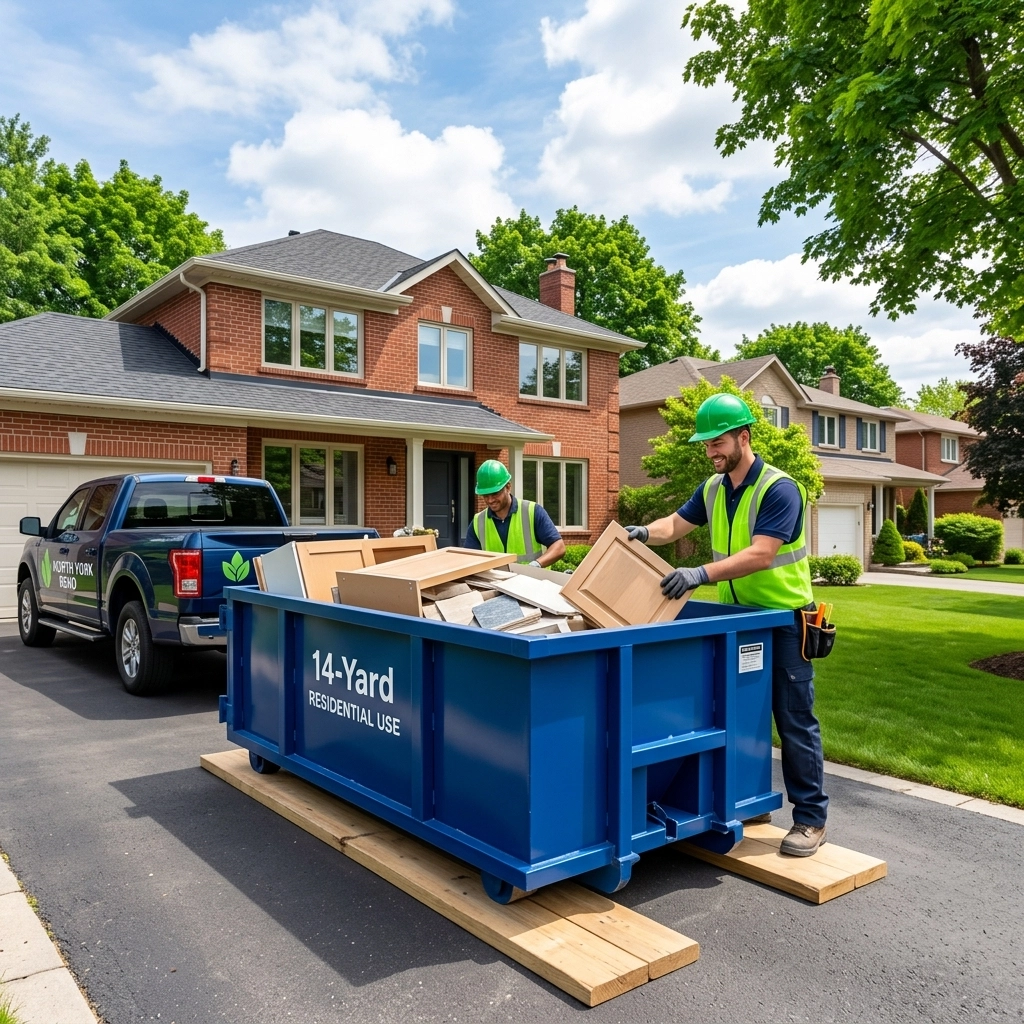
Kitchen renos are exciting… right up until your place starts looking like a demolition zone. Cabinets in the hallway, broken tile everywhere, countertop chunks that somehow weigh more than your fridge, and a growing pile of kitchen renovation waste you swear you’ll “deal with later.”
If you’re renovating in North York (or anywhere across the GTA), a 14-yard bin is the sweet spot for most kitchen remodels: big enough to keep your site clean and moving, without paying for more bin than you need. And with a driveway-safe drop and zero hidden fees, it’s the easiest way to keep your reno stress (and mess) under control.
Why kitchen renovations create more waste than you expect
Even a “simple” kitchen refresh usually means ripping out multiple layers of materials. Most homeowners plan for the obvious stuff: old cabinets and counters: but the real volume comes from the extras you uncover once the work starts.
Common kitchen renovation debris includes:
- Upper and lower cabinets (boxes, doors, hardware)
- Countertops (laminate, butcher block, stone pieces)
- Backsplash tile and cement board
- Flooring (tile, vinyl, underlayment)
- Drywall, plaster, and trim from layout changes
- Packaging waste (cardboard, foam, plastic wrap)
- Old sink, faucet, lighting, small appliances
That pile adds up fast, and it doesn’t belong in weekly curb pickup. In many parts of the GTA, reno debris at the curb can lead to missed collection, extra fees, or awkward last-minute dump runs.
The 14-yard bin: the “just right” size for most North York kitchen renos
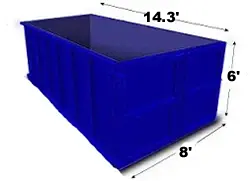
A 14-yard bin is popular for kitchen renovations because it balances volume and driveway fit.
What a 14-yard bin handles well
A 14-yard bin is a strong match for:
- Full cabinet tear-outs (standard-sized kitchens)
- Countertop and backsplash removal
- Flooring removal (kitchen + nearby area like a powder room or entry)
- Drywall and framing waste from minor layout updates
- A mix of bulky and bagged garbage from the project
It’s also forgiving if your reno expands (which… happens).
Why smaller options often fall short
Kitchen debris is awkward. Cabinet boxes and countertop pieces take up space quickly, even before you factor in:
- demolition dust and bagged waste
- packaging from new cabinetry and fixtures
- “while we’re at it” items (old pantry shelving, dining room light, etc.)
A bin that’s too small forces you into overflow piles, extra pickups, or a second rental: none of which help your timeline or budget.
North York realities: driveways, tight spaces, and keeping neighbours happy
North York homes often have:
- shorter driveways
- shared or narrow access
- townhome lanes or tighter turning radiuses
- neighbours who notice everything
A 14-yard bin is big enough to do the job but still manageable for most residential placements.
Driveway-safe matters (a lot)
A bin rental should help your reno: not leave you with cracked asphalt or scraped interlock. With driveway-safe placement (including protection under contact points when needed), you reduce the risk of:
- gouges in asphalt
- chipped pavers
- pressure marks on decorative concrete
If you want a deeper guide on protecting your property, this is worth bookmarking:
https://bin4u.ca/driveway-safe-dumpsters-protecting-your-property
What you can toss in a 14-yard bin during a kitchen renovation
For most kitchen projects, a mixed construction waste bin is designed to take the typical non-hazardous materials you generate.
Usually accepted kitchen renovation waste includes:
- wood (cabinets, trim, framing)
- drywall and plaster
- tile and ceramics
- laminate and vinyl flooring
- cardboard and general packaging
- small amounts of metal (sinks, brackets, hardware)
Items that typically need special handling
Some materials often require separate disposal or special instructions. Before you toss, plan for:
- paint, solvents, and chemicals
- propane cylinders
- batteries and electronics
- asbestos-containing materials (older flooring/adhesives)
- large quantities of concrete/brick (weight issue)
If you’re unsure, ask before loading: your future self will thank you.
The biggest hidden issue: weight (and why 14-yard bins help you avoid surprises)
Kitchen debris is heavier than it looks. Tile, mortar, plaster, and countertop pieces (especially stone) can push weight limits quickly.
Here’s the practical advantage of a 14-yard bin: it’s large enough to reduce overfilling, and it encourages more efficient loading (spreading heavy debris across the bin instead of stacking it into a tall, unsafe pile).
Simple loading tips to stay safe and efficient
- Load flat, not tall. Keep debris below the top edge.
- Break down cabinets. Doors and face frames can be stacked tightly.
- Distribute heavy materials. Don’t dump all tile in one corner.
- Use the “heavy first” rule. Place tile, plaster, and countertop pieces at the bottom.
If you want to avoid common rental mistakes (especially overfilling and weight surprises), this guide is helpful:
https://bin4u.ca/north-york-dumpster-rental-mistakes-to-avoid
How a 14-yard bin keeps your renovation on schedule
Kitchen renovations run on sequencing: demolition, rough-ins, drywall, flooring, cabinets, counters, finishing. When waste piles up, everything slows down.
A bin on-site helps you:
- keep walkways clear (less tripping, less damage to walls/floors)
- speed up demo days (toss as you go instead of staging piles)
- reduce dust migration (less debris stored indoors)
- avoid “junk drift” into the garage or basement
In real terms, it means fewer delays waiting for a cleanup day: and fewer arguments about whose car can still fit in the driveway.
Placement tips for North York and the GTA (so the bin works with your life)
Before delivery, take two minutes to plan where it should go. The best spot makes loading easy and keeps access open.
Quick checklist: where should your bin go?
Choose a location that:
- leaves enough room to open garage doors (if needed)
- keeps a clear path from the kitchen to the bin
- doesn’t block sidewalks or street parking rules
- avoids low-hanging branches and overhead wires
- protects interlock edges (common in North York homes)
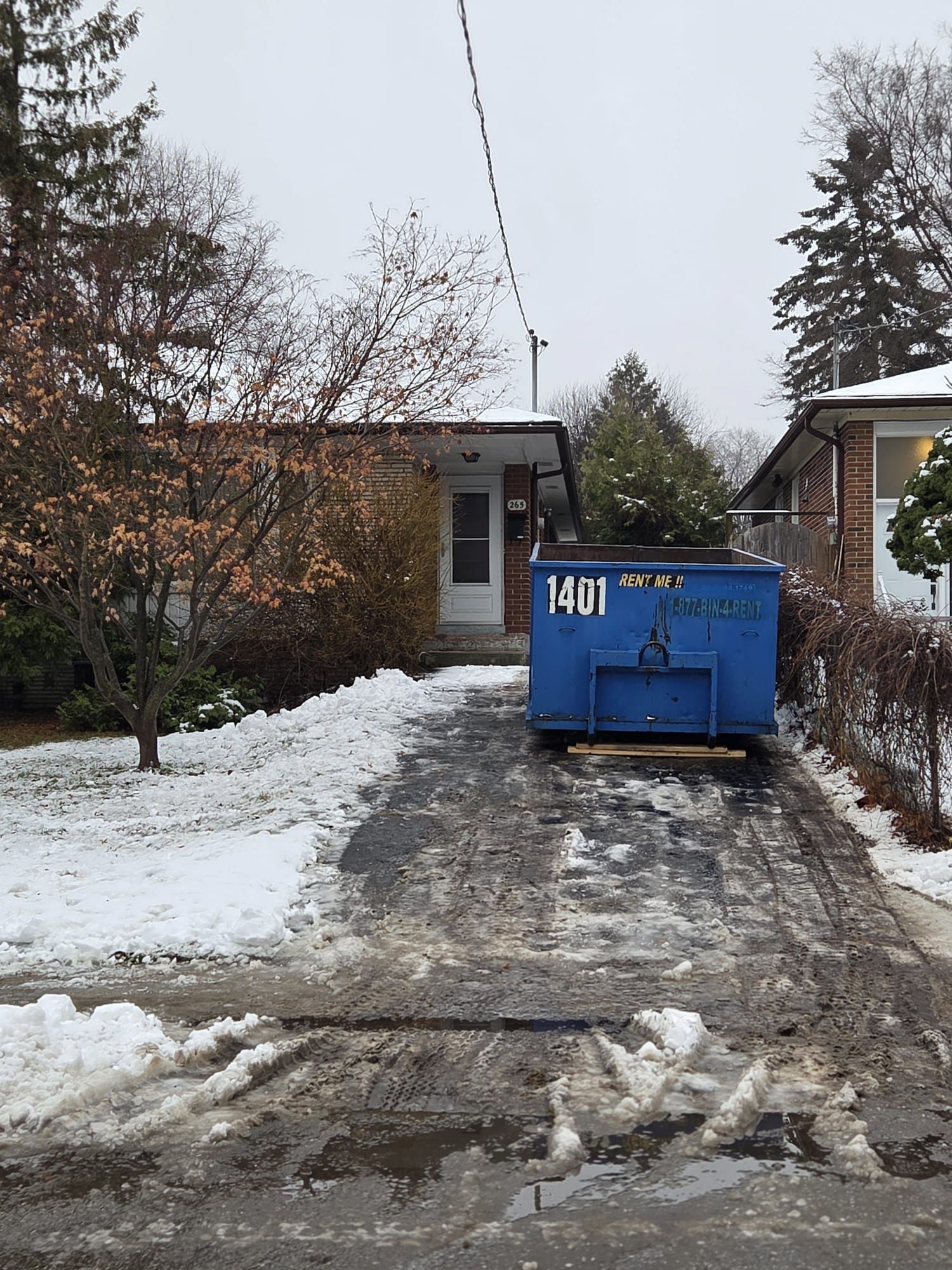
If you’re in a tighter area (townhomes, narrow driveways, or winter conditions), a driveway-safe delivery approach is even more important.
What “zero hidden fees” should mean when you book a bin
Pricing surprises usually come from unclear terms: extra days, unexpected disposal rules, or overage charges that weren’t explained upfront.
A professional bin rental should be clear about:
- what materials are allowed
- rental duration and extension options
- weight limits and what happens if you exceed them
- pickup scheduling and access requirements
If you like predictable pricing (especially for renovations where the scope can change), this related read is useful:
https://bin4u.ca/why-flat-rate-bin-rentals-win-for-north-york-renos
Reduce waste (and cost) with a simple kitchen “save pile”
Not everything needs to be thrown out. A small amount of sorting can cut landfill waste and may reduce how quickly you fill the bin.
Consider separating:
- donations: usable cabinet doors, pulls, light fixtures (if clean and complete)
- recycling: clean cardboard boxes from new materials
- scrap metal: sink, faucet, brackets (depending on local options)
Want a local, responsible overview of where waste goes in North York?
https://bin4u.ca/eco-friendly-junk-removal-north-york-where-waste-goes
14-yard bin loading plan: a practical “kitchen reno” approach
If you want your bin to last the whole project, load with a plan instead of tossing randomly.
Step-by-step loading that works
- Start with bulky, light items: cabinet boxes, toe kicks, pantry shelving
- Flatten and stack: doors, panels, trim pieces
- Add heavy debris in layers: tile, drywall, countertop chunks
- Fill gaps: bags of dust/debris, smaller offcuts
- Finish with packaging: cardboard (broken down), foam (if accepted)
This keeps the bin stable, maximizes volume, and helps avoid unsafe overfill.
North York bin rental: when you should book (so you’re not scrambling)
For kitchen renovations, timing matters. You want the bin on-site before demo starts, not after your first pile is already blocking the hallway.
A solid rule of thumb:
- Book for delivery 1 day before demo, so you’re ready the moment work starts.
- If your contractor is doing the demo, confirm the exact day they’re ripping out cabinets and counters.
- If you’re DIY-ing weekends, schedule around your heaviest demolition day.
If you’re behind schedule and need fast service, this may help:
https://bin4u.ca/same-day-bin-rental-for-last-minute-messes
Serving North York and the GTA: one bin, cleaner project, less stress
Whether you’re renovating a condo kitchen near Yonge & Sheppard, updating a family home in Willowdale, or doing a full main-floor refresh in the GTA (Mississauga, Brampton, Vaughan, Oakville, Etobicoke), the goal is the same: keep the job moving and keep your property protected.
A 14-yard bin is a practical, renovation-friendly choice for most kitchens because it:
- handles typical kitchen renovation waste without constant overflow
- fits most residential driveways
- keeps demolition debris out of your living space
- reduces dump runs and time lost
- supports cleaner, safer job sites
Ready to book your 14-yard bin in North York?
If you’re planning a kitchen renovation and want a North York bin rental that’s driveway-safe, clearly priced, and built for real renovation debris, Bin4U.ca can help.
Book your 14-yard bin with zero hidden fees, or request guidance on the right setup for your driveway and reno timeline.