On a busy construction site in North York or a residential renovation in Mississauga, safety is the foundation of every successful project. While a roll-off dumpster might seem like a simple steel box, it is a heavy piece of industrial equipment that requires respect and proper handling.
Ensuring construction bin safety in the GTA isn't just about following regulations; it’s about protecting your crew, your clients' property, and your own peace of mind. When waste management is handled correctly, your site stays organized, hazards are minimized, and you avoid the costly delays associated with accidents or overweight penalties.
In this guide, we will walk through the essential safety protocols for using roll-off bins, from the moment of delivery to the final pickup.
Strategic Placement: More Than Just a Flat Spot
The safety of your bin starts before the truck even arrives. Choosing the right location for a roll-off dumpster in North York or Etobicoke requires a keen eye for potential hazards.
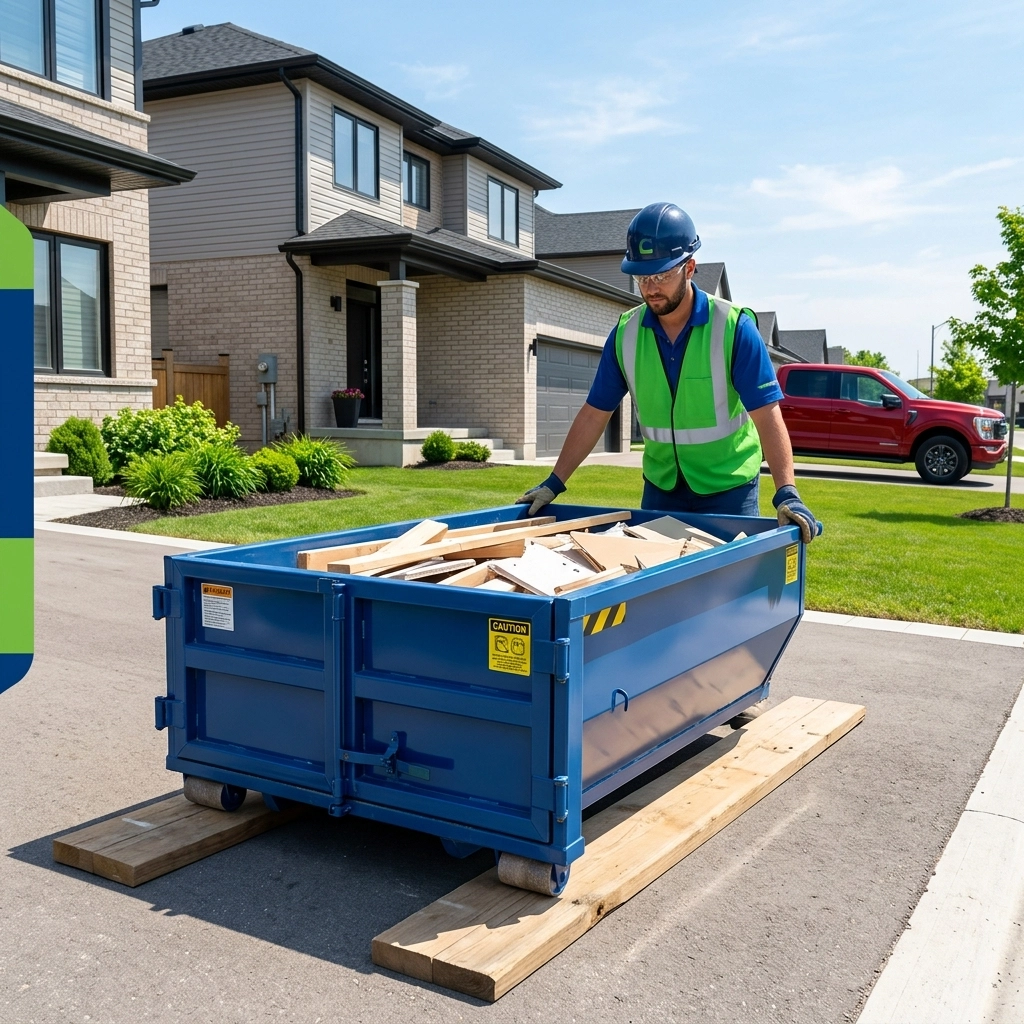
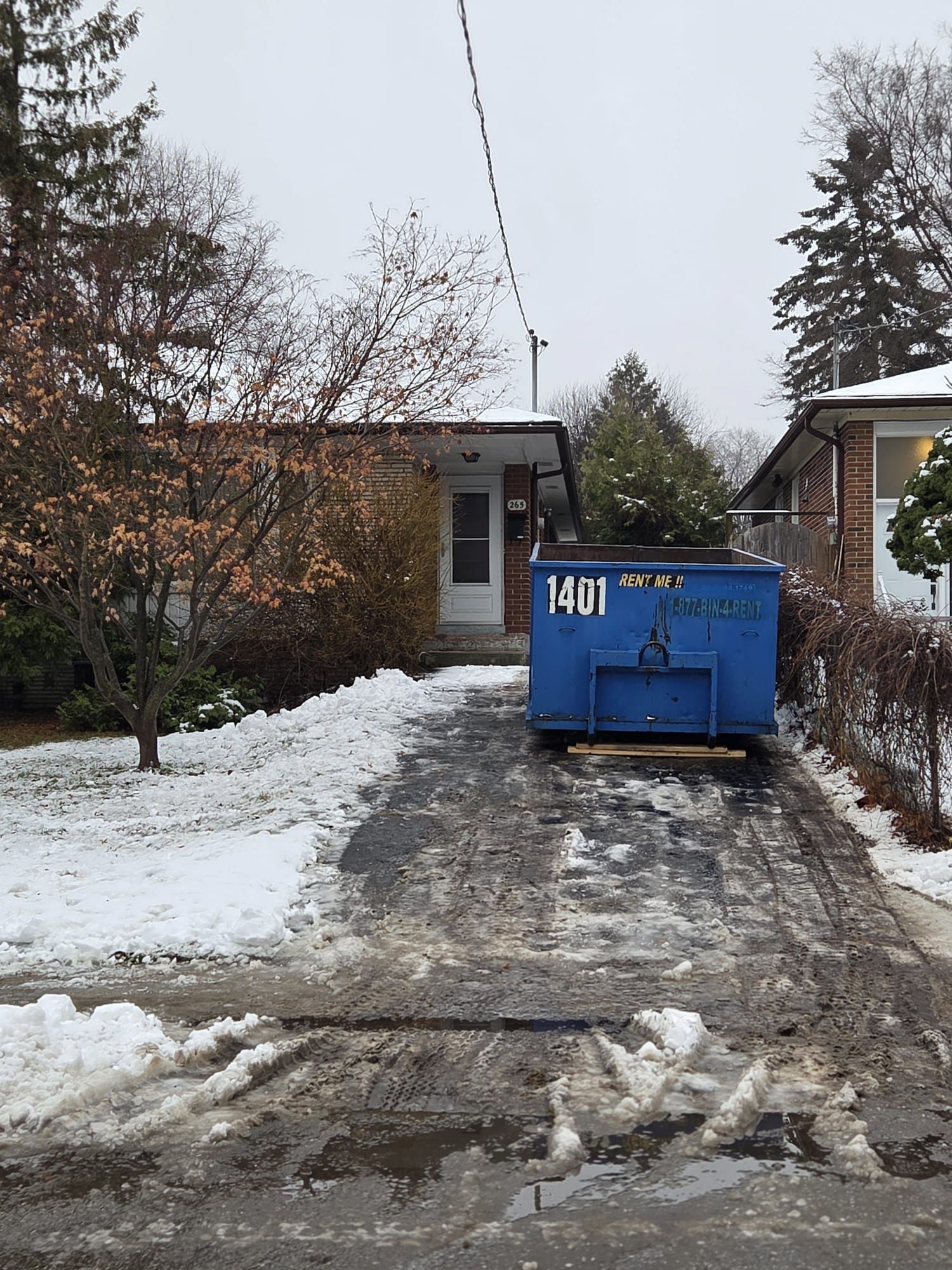
First, the ground must be level and stable. A bin loaded with several tonnes of concrete or roofing shingles can sink into soft soil or crack thin asphalt if not supported. We always recommend placing the bin on a solid surface like a paved driveway or a reinforced concrete pad. To go the extra mile in property preservation, we suggest placing large wood planks down first to distribute the weight and protect the underlying surface.

Clearance and Obstructions
You also need to look up and around. Check for overhead hazards such as power lines, low-hanging tree branches, or building eaves. Our delivery drivers need at least 22 feet of vertical clearance to safely roll the bin off the truck.
On the ground, ensure the bin is positioned away from:
- Pedestrian walkways and high-traffic vehicle lanes.
- Building entrances and emergency exits.
- Underground utilities like septic tanks or sprinkler systems.
- CCTV cameras and security sensors that might be obstructed by the bin’s height.
If your project requires multiple bins, keep them at least 0.5 metres (2 feet) apart. This allows our collection vehicles enough room to maneuver and ensures your team has safe walking space around the perimeter of each container.
Smart Loading Procedures for Maximum Stability
Once the bin is placed, how you fill it determines the safety of the site. A disorganized bin is a dangerous bin. Shifting loads can cause the container to tip during the loading process or, worse, during transport on GTA highways.
Even Weight Distribution
The golden rule of loading is to keep the weight balanced. Start by loading heavy items at the bottom and spreading them evenly from front to back. If you concentrate all the heavy debris, like bricks or soil, at one end, the bin becomes unstable.
Using the rear swinging door is the safest way to load heavy materials. Instead of tossing items over the high side walls, which can lead to back strain or flying debris, walk the heavy items into the bin. This allows you to stack materials tightly, maximizing your space and keeping the centre of gravity low.
Respecting the Fill Line
It can be tempting to squeeze "just one more" armful of drywall into a full bin, but overfilling is a major safety violation. Every bin has a visible "Fill Line." Debris should never protrude above the top rim of the container.
Overfilled bins pose a significant risk during transit. Falling debris can strike other vehicles, and the mesh tarps used by drivers aren't designed to hold down a mountain of loose material. If a bin is overfilled, our drivers may be legally unable to pick it up until the excess is removed. For more tips on managing your load, check out our guide on avoiding overweight fees and best practices.
Managing Heavy Debris and Weight Limits
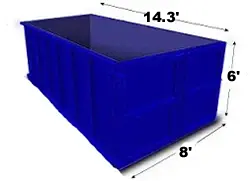
In construction, weight adds up faster than most people realize. When dealing with "heavy fill" like dirt, concrete, or asphalt, you must use the appropriate bin size.
For example, a 14-yard bin is excellent for general renovation waste, but filling it to the brim with concrete would make it far too heavy for a standard roll-off truck to lift safely. In these cases, smaller 4-yard or 10-yard bins are often the safer, more manageable choice. You can learn more about choosing the right size in our article on managing heavy construction debris.
Exceeding weight limits doesn't just result in extra fees; it puts immense stress on the truck's hydraulic systems and the bin’s structural integrity. Always discuss the type of material you are disposing of with your Bin4U.ca representative so we can provide the safest equipment for the job.
Hazardous Materials: Knowing What’s Prohibited
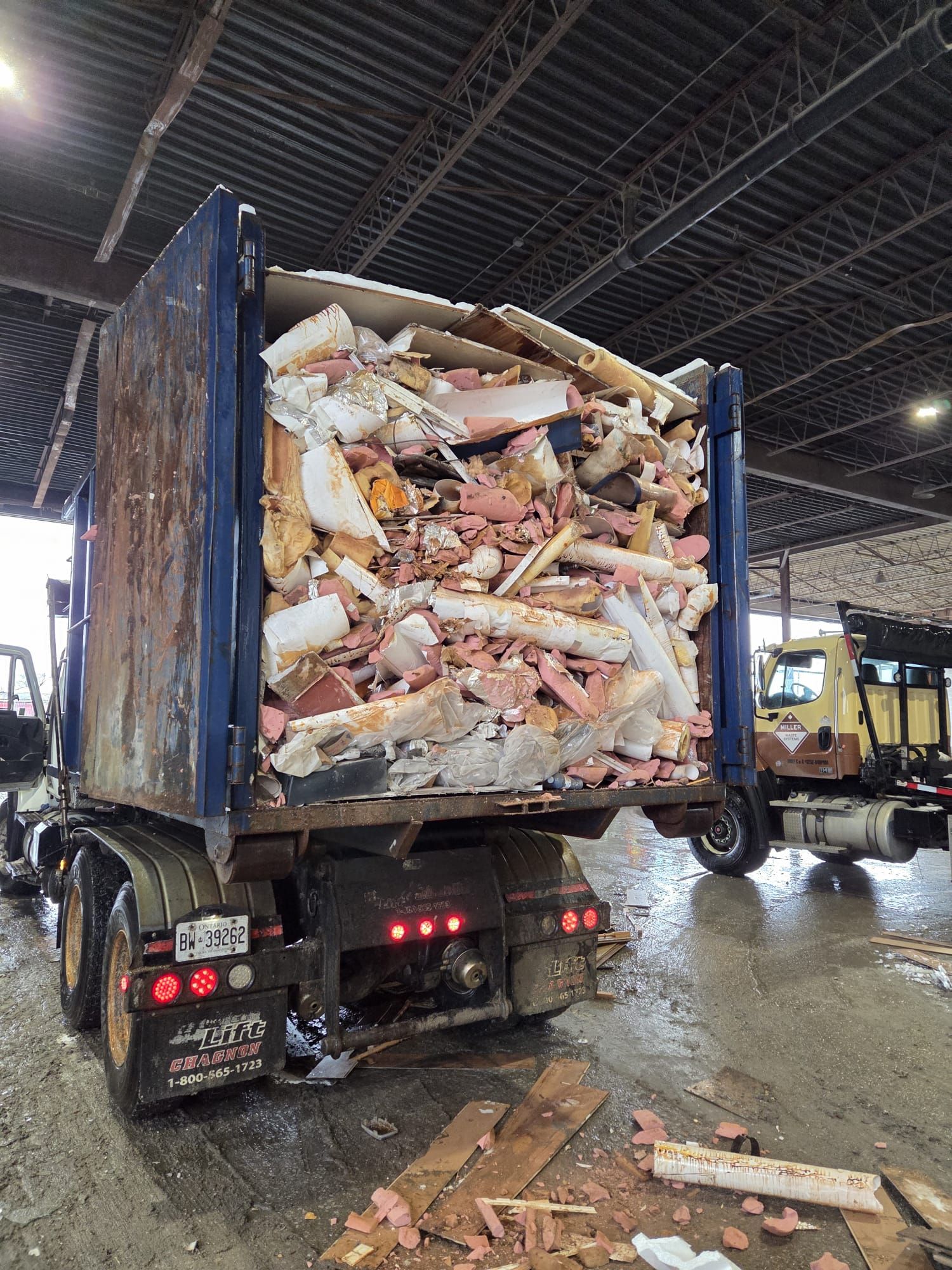
Site safety includes environmental safety. Roll-off bins are designed for non-hazardous solid waste. Tossing the wrong items into a bin can create fire hazards, chemical reactions, or environmental contamination at the transfer station.
Never place the following in your bin:
- Propane tanks or pressurized cylinders.
- Batteries (especially lithium-ion).
- Paints, solvents, or chemical cleaners.
- Asbestos-containing materials.
- Tires and mattresses (which often require special handling).
If you are unsure if a material is hazardous, it is always better to ask. Disposing of these items responsibly protects our drivers and the staff at the disposal facilities.
Personal Protective Equipment (PPE) and Site Security
The area around your bin should be treated as an active work zone. Anyone interacting with the bin should wear the appropriate PPE, including:
- Gloves: To protect against sharp metal, broken glass, and splinters.
- Eye Protection: To guard against dust and flying debris when tossing items.
- High-Visibility Vests: Especially important in the GTA, where early morning deliveries or late-day pickups might happen in low-light conditions.
Securing the Perimeter
On multi-day projects, unauthorized access can be a major liability. Local residents or passersby might see an open bin as an invitation to dump their own trash, or children might be tempted to play near the equipment.
If possible, secure the area with temporary fencing. Ensure the bin’s door is latched and locked at the end of every workday. This simple step prevents accidents and keeps your project compliant with local safety bylaws.

Winter Safety: Navigating the GTA Tundra
Operating a job site during an Ontario winter adds another layer of complexity to construction bin safety in the GTA. Ice and snow can make the area around your bin incredibly treacherous.
Before our truck arrives for a drop-off or pickup, please ensure the path is cleared of snow and salted. A sliding truck or a slipping worker is a recipe for disaster. Furthermore, snow can hide the bin's edges or the materials inside, making it difficult for the driver to secure the load. Keep the area around the bin clear to allow for safe access throughout the season.
Why Professional Service Matters for Safety
At Bin4U.ca, we pride ourselves on being more than just a rental service; we are your partners in site safety. Our drivers are trained to spot potential hazards and will work with you to find the safest placement for your bin. We use driveway-safe systems and maintain our bins to the highest standards to ensure they function perfectly every time.
By choosing a professional service, you are ensuring that your waste is handled in compliance with all Ontario regulations, from the initial lift to the final disposal at a licensed landfill.
Keep Your GTA Job Site Moving Safely
A clean, organized site is a productive site. By following these safety guidelines for your roll-off bin, you protect your crew, your property, and your reputation. Whether you are managing a large-scale demolition in Vaughan or a home renovation in Oakville, safety should always be the priority.
Ready to secure a safe, reliable bin for your next project?
At Bin4U.ca, we provide the GTA with professional, property-conscious bin rentals that keep your job site moving. Our team is here to help you choose the right size and ensure a safe delivery every time.
Contact Bin4U.ca today to request a quote or book your bin online!