If you are planning a home renovation or a landscaping overhaul in North York, you already know that the excitement of a new project comes with a massive side effect: waste. Not just any waste, but heavy, dense construction debris that can quickly become a logistical nightmare if you don't have the right disposal plan.
Choosing between a 4-yard bin and a 10-yard bin isn't just about how much space you have on your driveway. It’s about understanding the physics of weight. In the world of waste management, volume and weight are two very different things.
At Bin4U.ca, we see homeowners and contractors struggle with this choice every day. Whether you are tearing out a concrete patio in Willowdale or clearing out a basement in Lawrence Park, selecting the wrong bin size for heavy materials can lead to extra costs, safety issues, or a bin that simply can’t be hauled away. This guide will help you navigate the specifics of construction debris in North York and why a 10-yard bin in the GTA might be your best friend: or why the smaller 4-yard bin is actually the heavy-hitter you need.
The Weight Dilemma: Why Size Can Be Deceiving
When you look at a 4-yard bin next to a 10-yard bin, your instinct might be to go big. After all, more space means more debris, right? Not necessarily.
When dealing with "heavy fill": which includes materials like clean dirt, concrete, bricks, asphalt, and stones: weight accumulates much faster than volume. A cubic yard of concrete weighs approximately 4,000 pounds (2 tons). If you were to fill a massive 20-yard bin with concrete, no truck in the GTA would be able to legally or physically lift it.
This is why we offer specialized sizes for specific types of waste. For the heaviest materials, smaller is often smarter.
The 4-Yard Bin: The Specialist for Heavy Materials
The 4-yard bin is the "heavy lifter" of the waste world. Measuring roughly 10 feet long, 6 feet wide, and 2 feet high, it’s designed specifically for high-density materials.
When to Choose a 4-Yard Bin:
- Soil and Dirt: If you are excavating for a new garden bed or levelling your backyard.
- Concrete and Brick: Perfect for broken-up walkways, retaining walls, or chimney repairs.
- Asphalt: Ideal for driveway replacements.
- Gravel and Stone: Great for drainage projects or decorative stone removal.
The low walls of a 4-yard bin make it easier to load heavy shovelfuls of dirt or heavy chunks of concrete over the side. Because these materials are so heavy, we usually limit them to these smaller containers to ensure our trucks can safely transport the load to a processing facility without exceeding road weight limits.
The 10-Yard Bin: The Versatile North York Favourite
If your project involves a mix of materials, the 10-yard bin in the GTA is often the "Goldilocks" choice. It’s large enough to handle significant debris but compact enough to fit comfortably into a standard North York driveway without blocking the sidewalk.
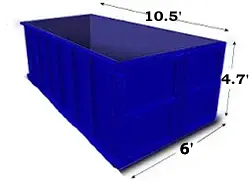
Measuring approximately 10.5 feet long, 6 feet wide, and 4.7 feet high, this bin offers a much higher wall height than the 4-yard version.
Best Uses for a 10-Yard Bin:
- Kitchen and Bathroom Renos: Perfectly sized for cabinets, countertops, old tiling, and drywall. If you are planning a Willowdale kitchen renovation, this is typically the standard recommendation.
- Roofing Projects: Asphalt shingles are surprisingly heavy. A 10-yard bin can usually accommodate the shingles from a standard-sized residential roof.
- Mixed Construction Debris: If you have a combination of wood, metal, drywall, and a small amount of heavier materials, this bin provides the volume you need.
- Basement Cleanouts: Large enough for old furniture and general junk that has accumulated over the years.
Managing Heavy Construction Debris in North York
North York presents unique challenges for construction waste. Many residential streets are narrow, and driveways can be steep or shared with neighbours.
When you are choosing a dumpster rental, you need to consider the "footprint" of the bin. Both the 4-yard and 10-yard bins share a similar footprint (length and width), but the 10-yard bin utilizes vertical space.
The Danger of Overfilling
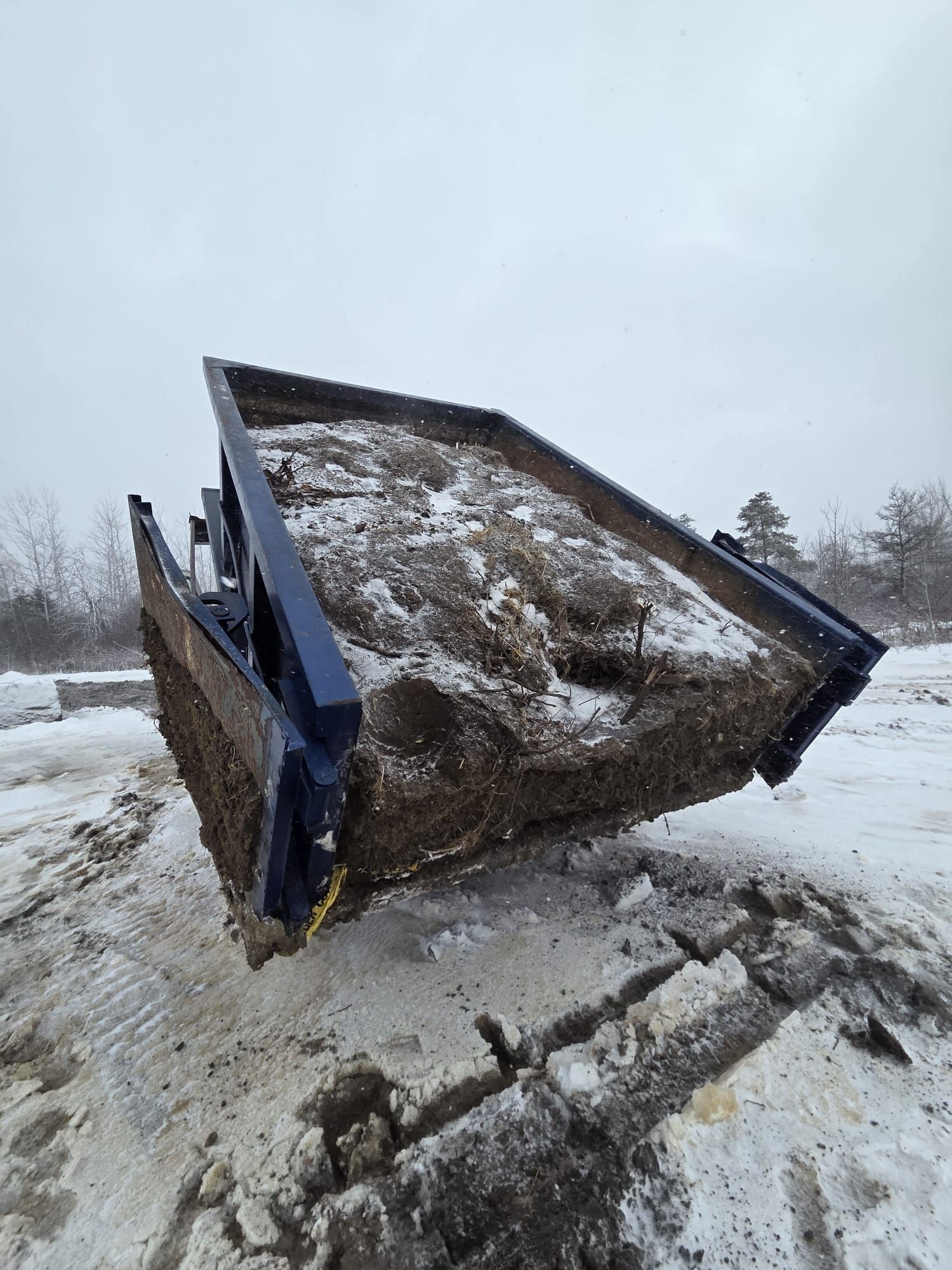
It is tempting to pile "just one more" slab of concrete on top of a 4-yard bin. However, for safety and legal reasons, debris must be "level-full." This means nothing should stick out above the top rail of the bin. If a bin is overloaded, our drivers cannot safely tarp it, which can lead to debris falling out during transport.
Furthermore, if you put too much heavy material (like dirt or concrete) into a larger bin meant for mixed waste, the weight can exceed the truck's lifting capacity. This results in a "dry run" charge where the bin cannot be picked up until you manually remove the excess weight. It’s back-breaking work that you definitely want to avoid!
Protecting Your Property: The Bin4U.ca Promise
One of the biggest concerns homeowners have when ordering a bin for construction debris in North York is damage to their driveway. Heavy bins filled with concrete or stones exert a lot of pressure.
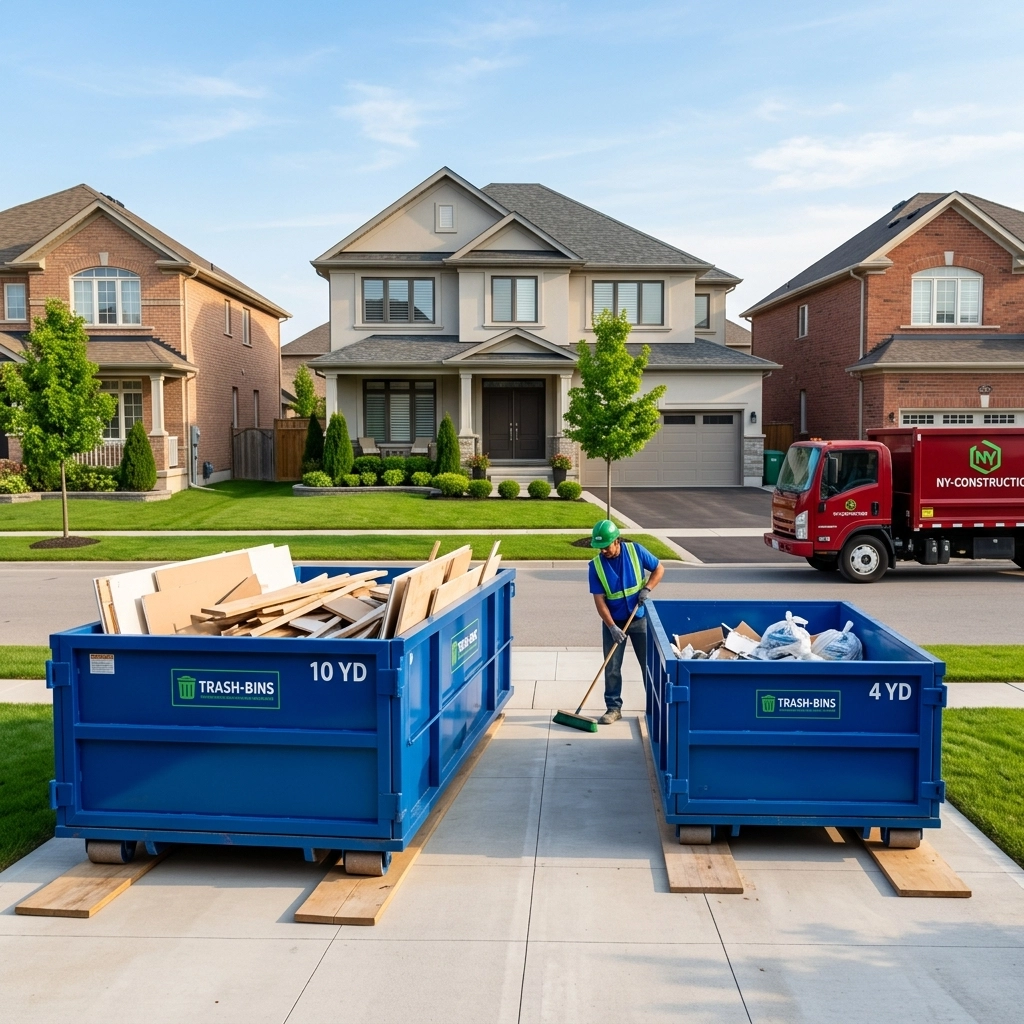
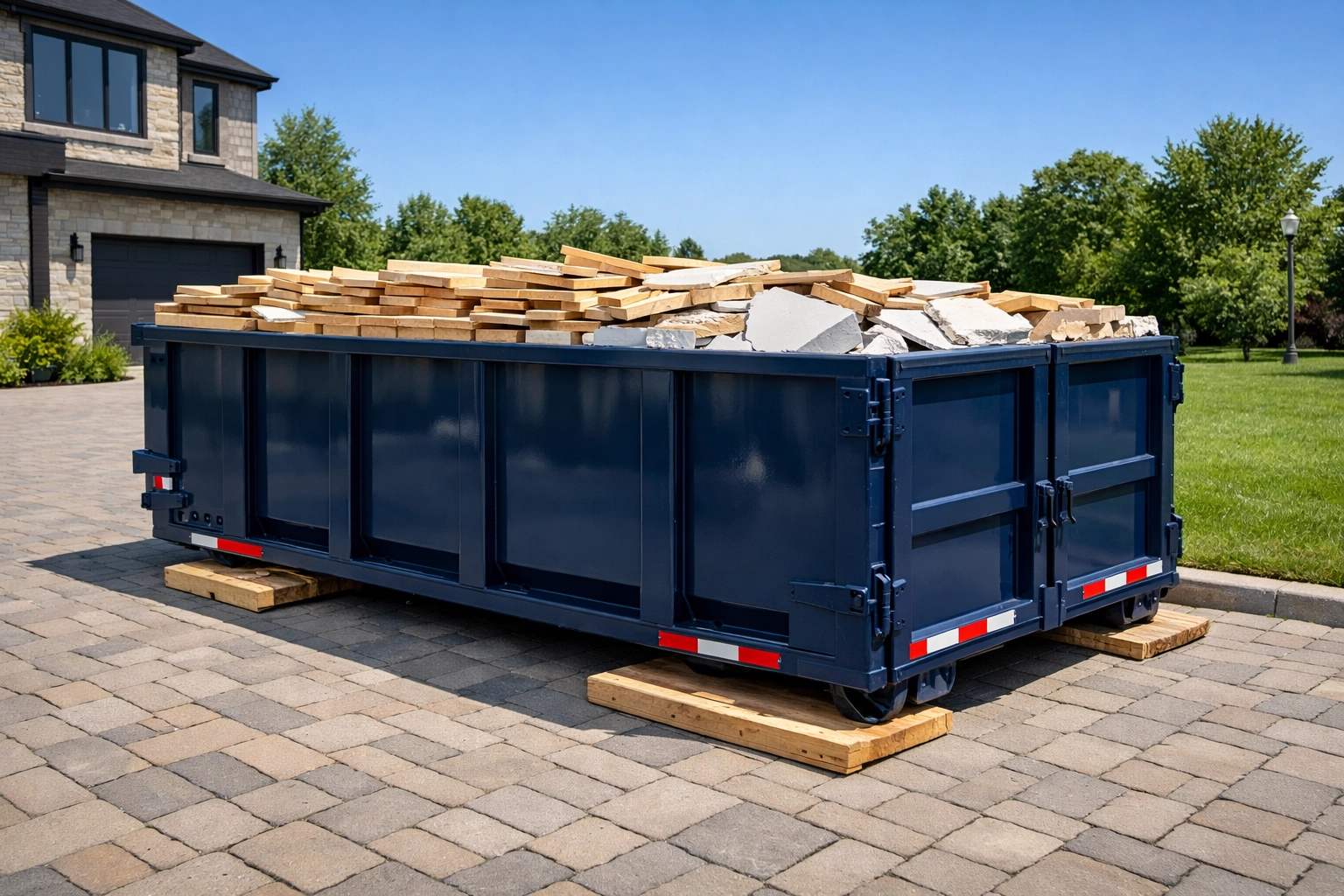
At Bin4U.ca, we prioritize your property's safety. We use a driveway-safe delivery system, placing protective wood planks or utilizing specialized rollers to ensure that the weight of the bin doesn't crack your asphalt or interlocking stone.
Before we arrive, we recommend following our 5 steps to prep for a residential bin to ensure a smooth delivery. Clearing the area of vehicles, low-hanging branches, and ensuring there is a flat surface will make the process stress-free.
Costs and Efficiency: 4-Yard vs. 10-Yard
Pricing for bin rentals in the GTA usually falls into two categories: flat-rate or weight-based. For heavy materials like clean fill (dirt/concrete), flat-rate pricing is often the most predictable way to manage your budget.
If you are mixing materials, you might be charged based on the tonnage of the waste. In these cases, a 10-yard bin gives you the volume you need for bulky items like wood and drywall, while keeping the total weight manageable.
Using the right size bin from the start is the best way to avoid common dumpster rental mistakes. Many people try to save money by ordering a bin that is too small, only to find they need a second bin halfway through the project, doubling their delivery fees.
Environmental Responsibility in the GTA
At Bin4U.ca, we don't just dump your waste and forget about it. We are committed to eco-friendly junk removal in North York.
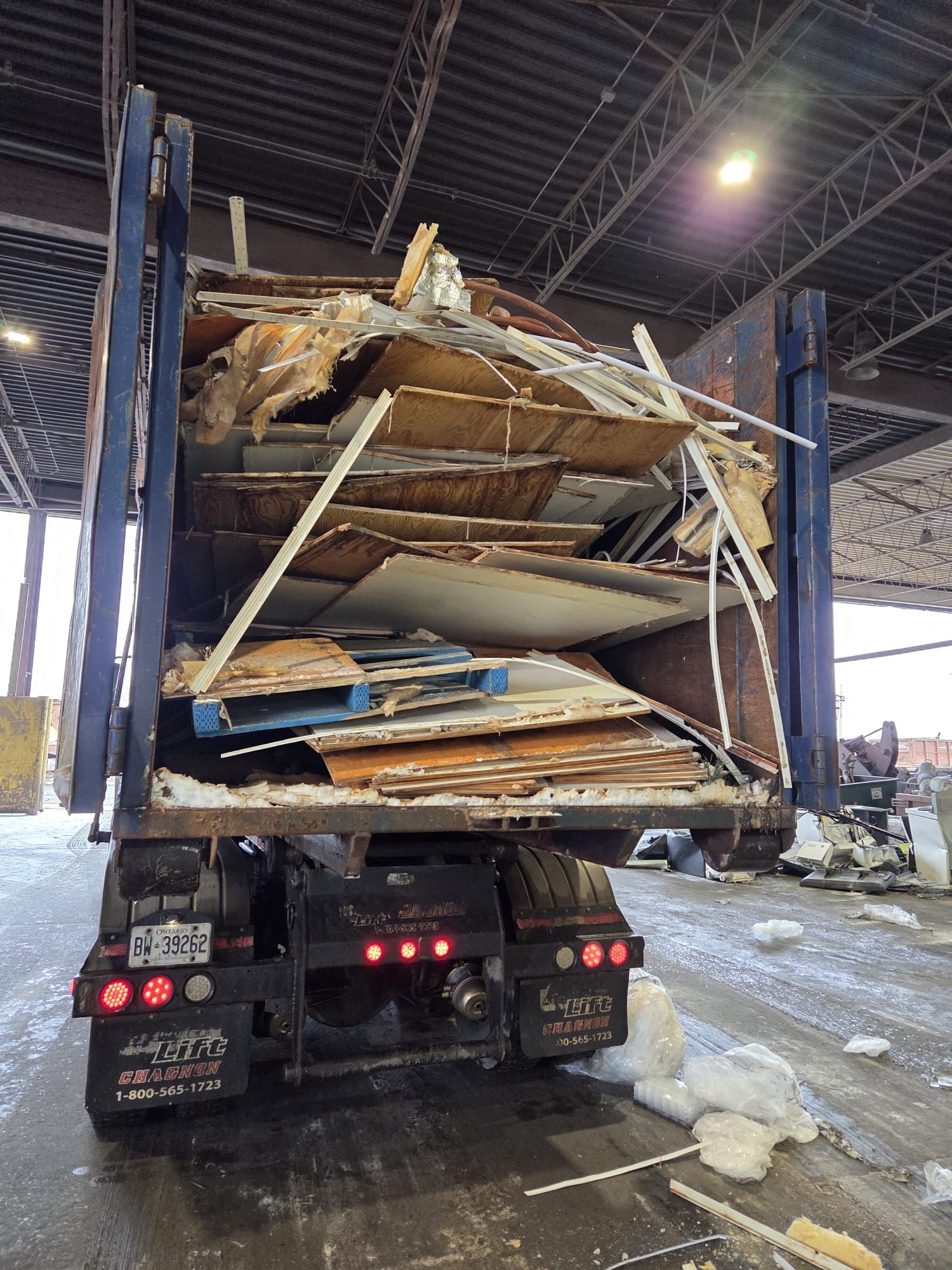
When you use a 4-yard bin for clean fill (pure concrete or pure soil), those materials are often diverted from landfills to be recycled. Concrete can be crushed and reused as road base, and soil can be screened and repurposed for landscaping. By keeping your heavy debris "clean" (not mixing it with general garbage), you are actually helping the environment and often lowering your disposal costs.
Which One Is Right for You?
To summarize:
- Choose a 4-yard bin if you are doing heavy-duty landscaping, digging a foundation, or breaking up a concrete driveway. It is the king of weight but limited in volume.
- Choose a 10-yard bin if you are doing a home interior renovation, a roofing job, or a large-scale cleanout. It offers the best balance of volume and weight capacity for most residential projects in the North York area.
If you are still unsure, don’t guess. Our team knows the streets of North York and the requirements of GTA construction projects. We can help you estimate your waste volume and recommend the perfect size to keep your project on track and your driveway intact.
Ready to Clear the Debris?
Managing a renovation is stressful enough without worrying about where the trash goes. Let Bin4U.ca handle the heavy lifting. We offer professional, reliable service with a focus on protecting your property and providing transparent pricing.
Whether you need a compact 4-yard bin for a backyard project or a versatile 10-yard bin in the GTA, we are here to help.
Book your bin rental online today or call us to discuss your North York project!